Heat Pump vs Furnace in Canada: the 2026 Answer
Ten years ago this was a real debate. In 2026, for most Canadian homes, the honest answer is: a cold-climate heat pump wins on total cost once rebates are counted — with two big exceptions (very cheap natural gas plus an old but working furnace, and homes in the coldest regions without backup heat). Here's the breakdown that actually decides it.
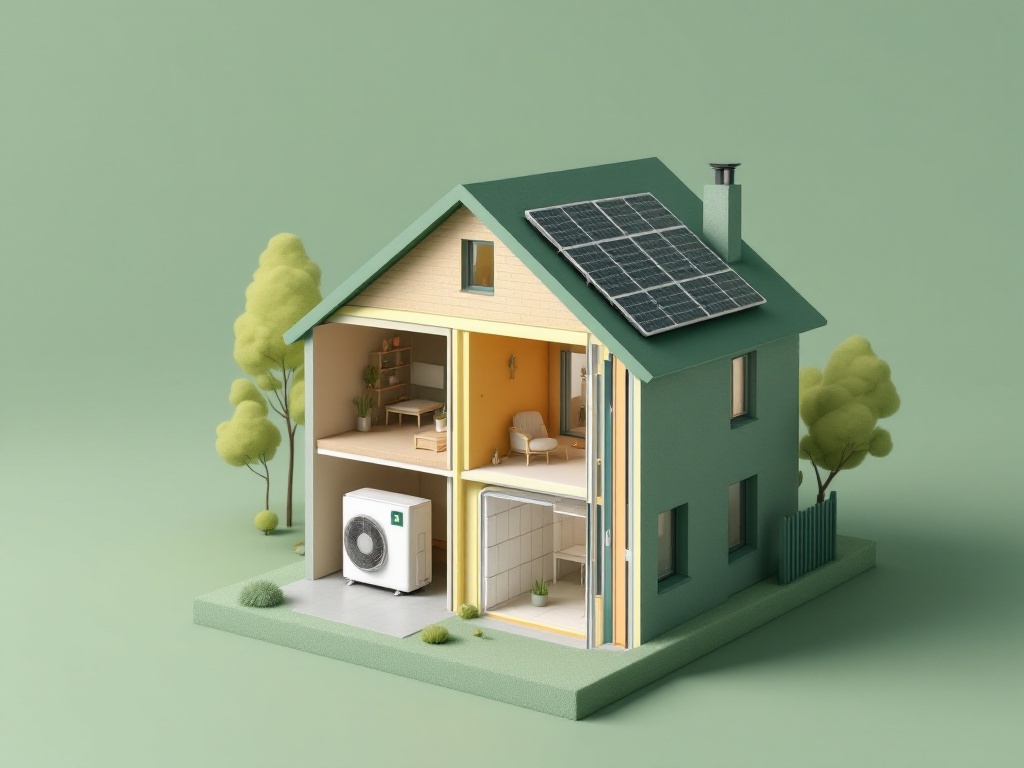
1. Winter performance — the fear that's ten years out of date
Modern cold-climate heat pumps (the NEEP-listed units that Canadian rebate programs require) hold their rated heating capacity to around -15°C and keep producing useful heat at -25°C and below. In Vancouver, Toronto, Montreal or Halifax, a properly sized unit carries the entire winter. In Winnipeg, Edmonton or Saguenay, the standard setup is a heat pump doing 80–95% of the season's heating with electric or gas backup for the deepest cold snaps — that hybrid setup is exactly what most rebate programs are designed around.
2. Installed cost — before rebates
| Gas furnace (replacement) | $4,500 – $7,500 |
| Ductless mini-split heat pump (1 zone) | $4,000 – $8,000 |
| Central cold-climate heat pump (ducted) | $10,000 – $20,000 |
| Geothermal (ground-source) | $25,000+ |
Ranges reflect typical 2026 quotes for single-family homes; size, brand and electrical work move the number.
3. The rebates — where the comparison flips
A furnace replacement gets little or no government support. A heat pump can get a lot — and this is what decides the comparison for most households:
- Quebec: LogisVert (up to $6,700) + Rénoclimat (up to $5,250) — combined up to ~$11,950
- Ontario: Home Renovation Savings — up to $7,500 (electric/oil/propane homes), $12,000 geothermal
- BC: CleanBC — up to $11,000, or $16,000 income-qualified
- Oil-heated homes (anywhere): federal OHPA — up to $10,000–$15,000; stacked with Ontario's program it can exceed $17,000. Last day to apply: July 31, 2026 (earlier in some co-delivery provinces)
- Financing: the federal Greener Homes Loan is now closed to new applicants — funding fully committed. Look to provincial financing options instead
4. Operating cost by heating source
Rule of thumb for 2026 energy prices: a cold-climate heat pump costs 50–70% less to run than oil, propane, or electric baseboards. Against natural gas it's province-dependent: clearly cheaper in hydro-rich Quebec, Manitoba and BC; roughly at parity in Ontario; sometimes slightly more expensive in Alberta's cheap-gas market. Add that the heat pump also replaces your air conditioner — a furnace never will.
5. The verdict
Frequently asked questions
›Do heat pumps work in Canadian winters?
Modern cold-climate heat pumps maintain full heating capacity around -15°C and continue producing useful heat to -25°C or lower. In most of southern Canada they can carry the whole winter; in colder regions they're commonly paired with electric or gas backup for the coldest snaps.
›Is a heat pump cheaper to run than a gas furnace?
It depends on your provincial electricity and gas prices. In Quebec (cheap hydro power) a heat pump is clearly cheaper to run. In Ontario and Alberta, a heat pump is usually cheaper than oil, propane or electric baseboards, and roughly comparable to natural gas — the rebates and the free air conditioning usually tip the math toward the heat pump.
›How much does a heat pump cost installed in Canada?
Typical installed costs: ductless mini-split (single zone) $4,000–$8,000; central/ducted cold-climate systems $10,000–$20,000; geothermal $25,000+. Rebates of $5,000–$17,000 depending on your province and heating source can cover a large share of that.
›What rebates can I get for switching to a heat pump?
It varies by province: Quebec stacks LogisVert + Rénoclimat (up to ~$11,950); Ontario's Home Renovation Savings pays up to $7,500 (non-gas homes); BC's CleanBC pays up to $11,000–$16,000; and oil-heated homes can still apply to the federal OHPA grant (up to $10,000–$15,000) until July 31, 2026. Note the federal Greener Homes Loan is now closed to new applicants — funding is fully committed.